
I started painting with acrylics a few years ago when I wanted something simple to do in the evenings.
It took some time to feel comfortable with the medium but trying easy subjects helped me build confidence step by step.
In this article I have put together 19 ideas that I think work well for absolute beginners.
These are projects I have tried myself or seen others enjoy without needing much experience.
They focus on basic techniques and everyday subjects so you can practice without feeling overwhelmed.
Paint a Simple Textured Bird Against a Solid Background
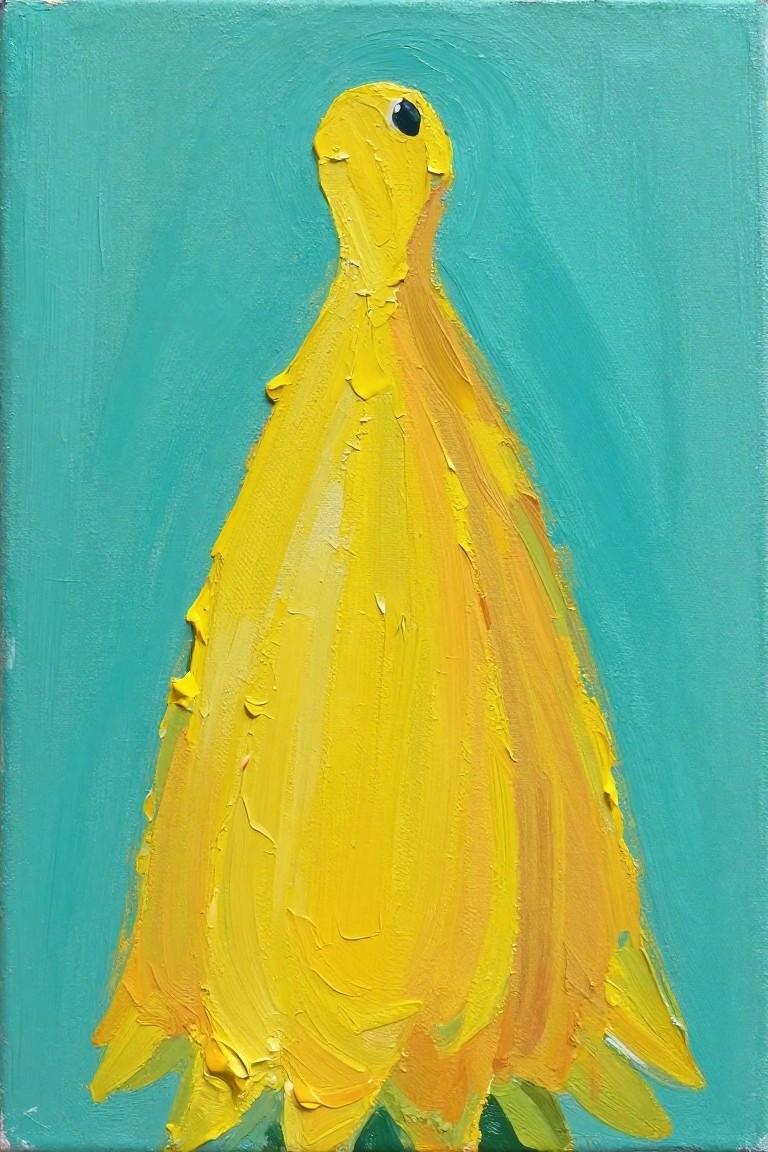
A single stylized bird shape built from thick yellow and orange acrylic paint works well as a quick animal painting idea. The heavy layering and visible brushstrokes give the form dimension while keeping the outline loose and minimal. A solid teal background provides strong contrast that makes the yellow stand out without extra detail.
What makes this idea useful is how the limited color palette and basic shape let you focus on building texture instead of perfect proportions. The same layout works for practice with impasto or for small canvas pieces you can finish in one session. You could change the background color or add a second bird nearby if you want to adapt it for wall art or gifts. The high contrast also helps the finished piece photograph well for Pinterest.
Abstract Layered Mountains in Bold Color Blocks
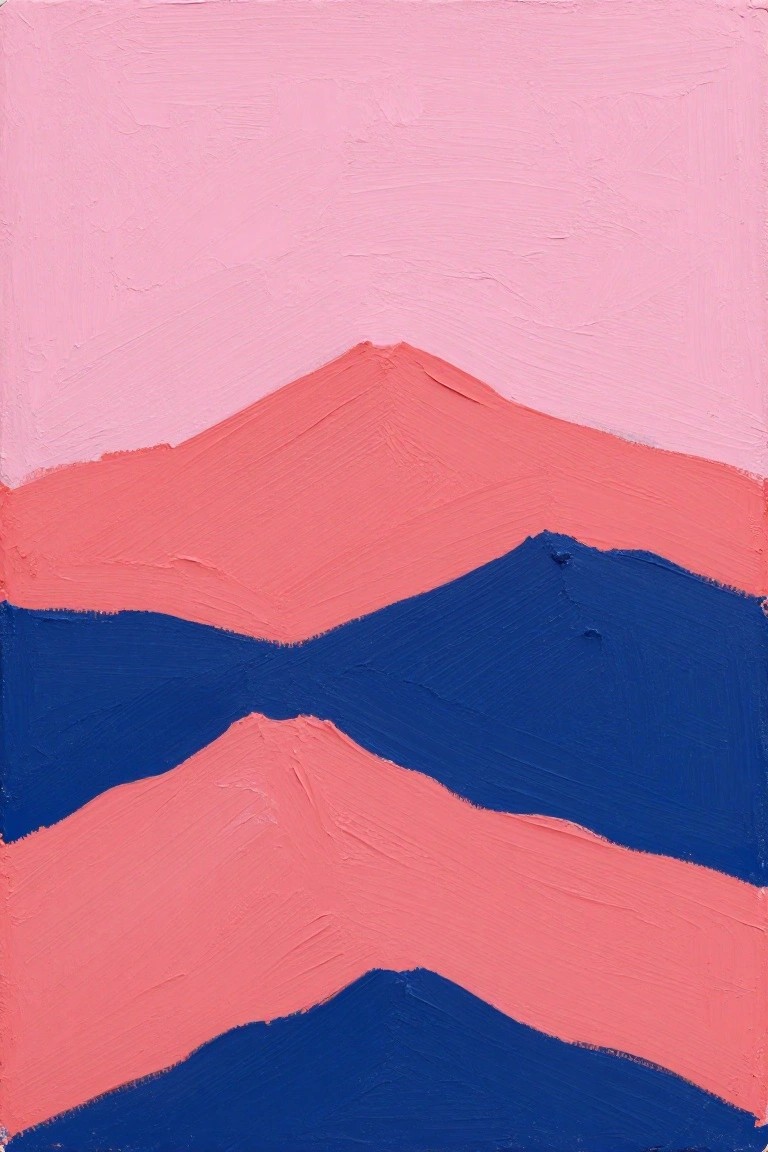
An abstract landscape idea built from stacked mountain ridges works well when each layer uses a single flat color and the ridges overlap in a repeating wave pattern. The strong contrast between the warm pink and red-orange tones against the deep blue shapes keeps the composition clear even with very little detail. This fits the abstract landscape category and relies on shape and color blocking rather than texture or blending.
What makes this idea useful is how the simple overlapping forms let you focus on painting straight across the canvas with a wide brush. You can change the color order or add one more ridge without changing the overall layout, which makes it easy to adapt for different canvas sizes. For practice this kind of painting helps beginners learn to keep edges sharp while building height through repetition.
Layered Horizon Seascape with Sailboat
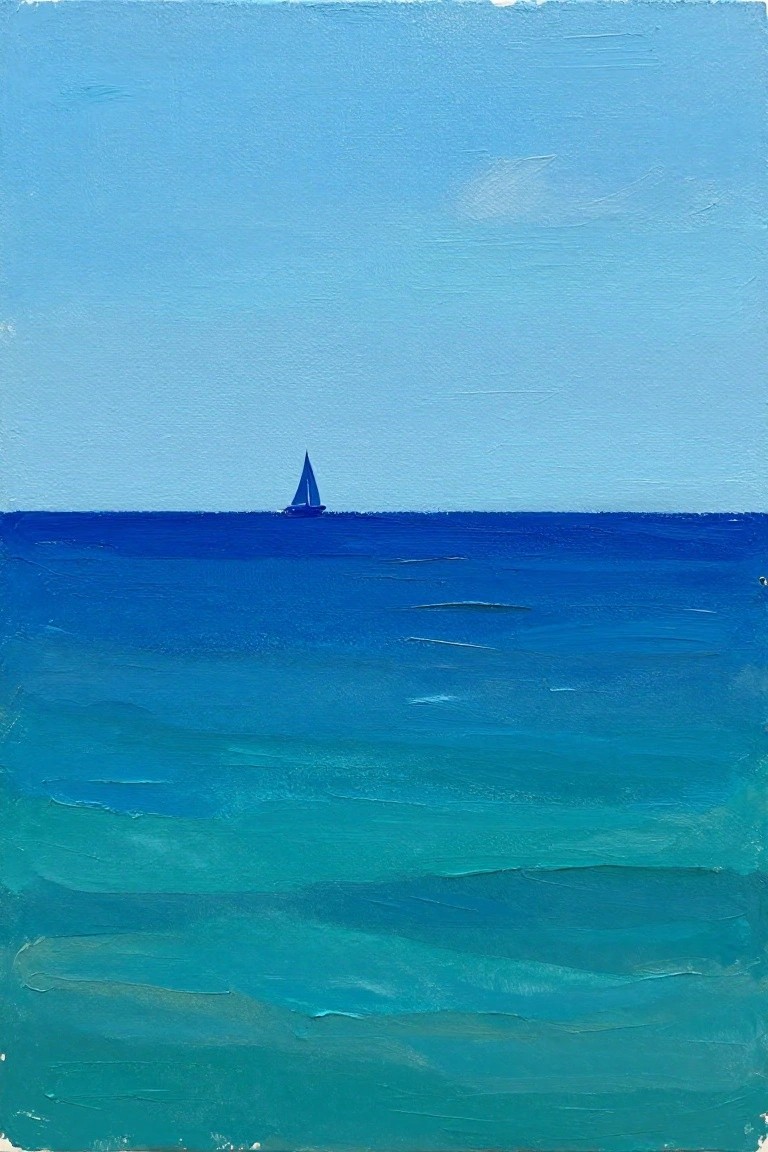
A simple ocean scene with a distant sailboat makes an easy acrylic landscape idea. Horizontal bands of color shift from deep blue down through turquoise to create depth across the water. The small boat placed low on the horizon gives the composition a clear focal point while keeping the rest of the canvas minimal.
What makes this idea useful is how the color bands do most of the work and leave only one small shape to paint. You can swap the blues for warmer sunset tones or stretch the water layers wider on a larger canvas. For practice the layout helps you work on smooth blending and consistent brush direction without needing fine details or complex shapes.
Potted Cactus Still Life
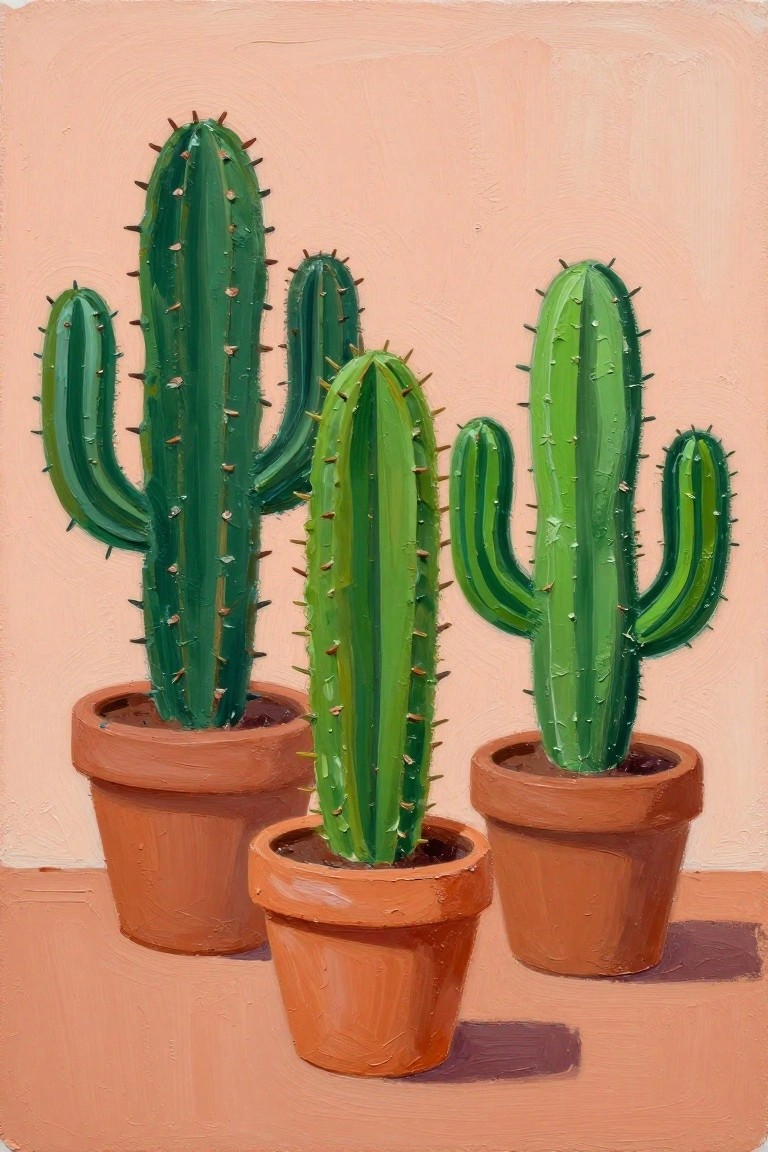
A still life built around several potted cacti works well as an acrylic idea because the tall, upright forms create strong vertical lines that stand out against a flat background. The limited palette of greens, terracotta, and a warm neutral keeps the focus on shape and placement rather than complicated color mixing. This type of still life fits the decorative category and stays effective through clear edge definition and simple overlapping pots.
What makes this idea useful is how the basic cylinder and oval shapes let you block in the main forms quickly with acrylics before adding spines and rim details. You can easily change the number of pots or their arrangement to match the size of your canvas, and the contrast between the cool greens and warm background makes the painting readable even with flat color areas. For practice, this kind of subject helps build confidence in handling negative space without requiring advanced blending.
Color Block Grid for Fast Color Practice
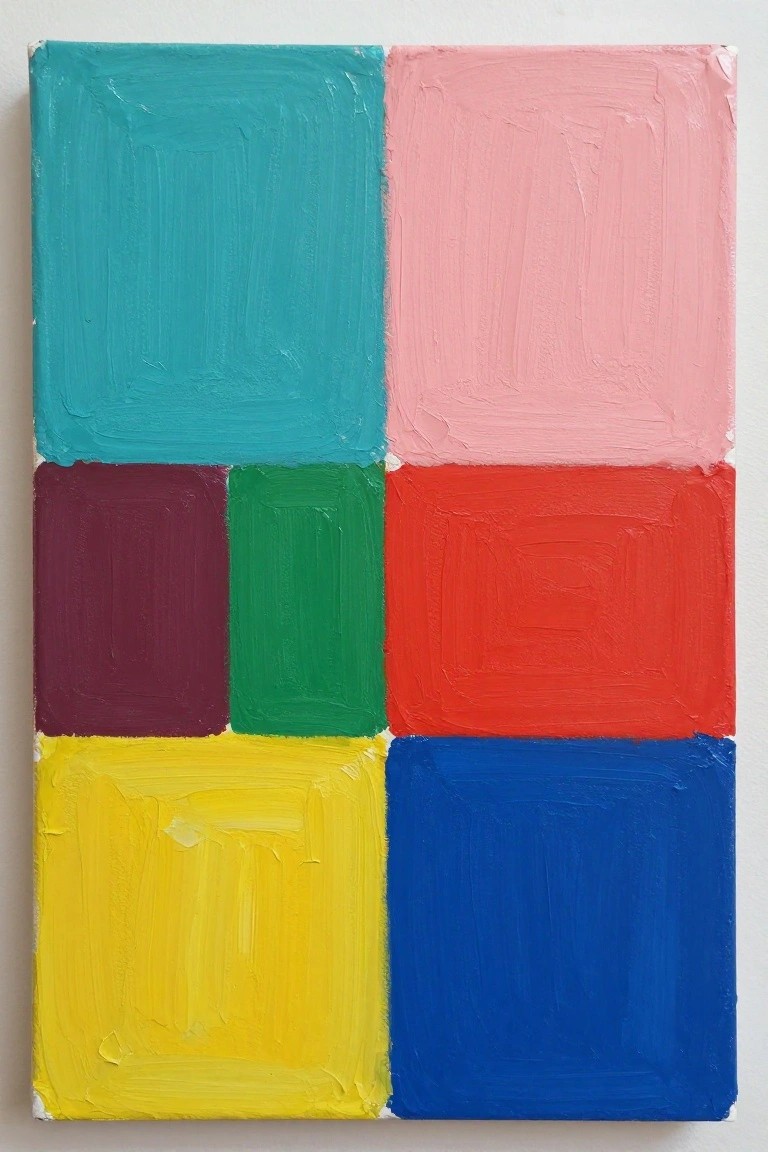
A grid of solid color rectangles forms a straightforward abstract painting built entirely around bold color placement and clean divisions. Each section uses flat acrylic coverage with visible brush marks that add light texture without extra techniques. This layout fits the decorative wall art category because the high contrast between neighboring hues creates visual interest through shape and color alone.
The bold contrast does a lot of the work here, so small imperfections in the edges still look intentional. You can easily swap the colors to match any room or use whatever paints you already have mixed on your palette. For practice, this kind of subject lets you focus on even coverage and quick layering while still producing a finished piece that works as canvas decor.
Single Pink Tulip with Layered Petals
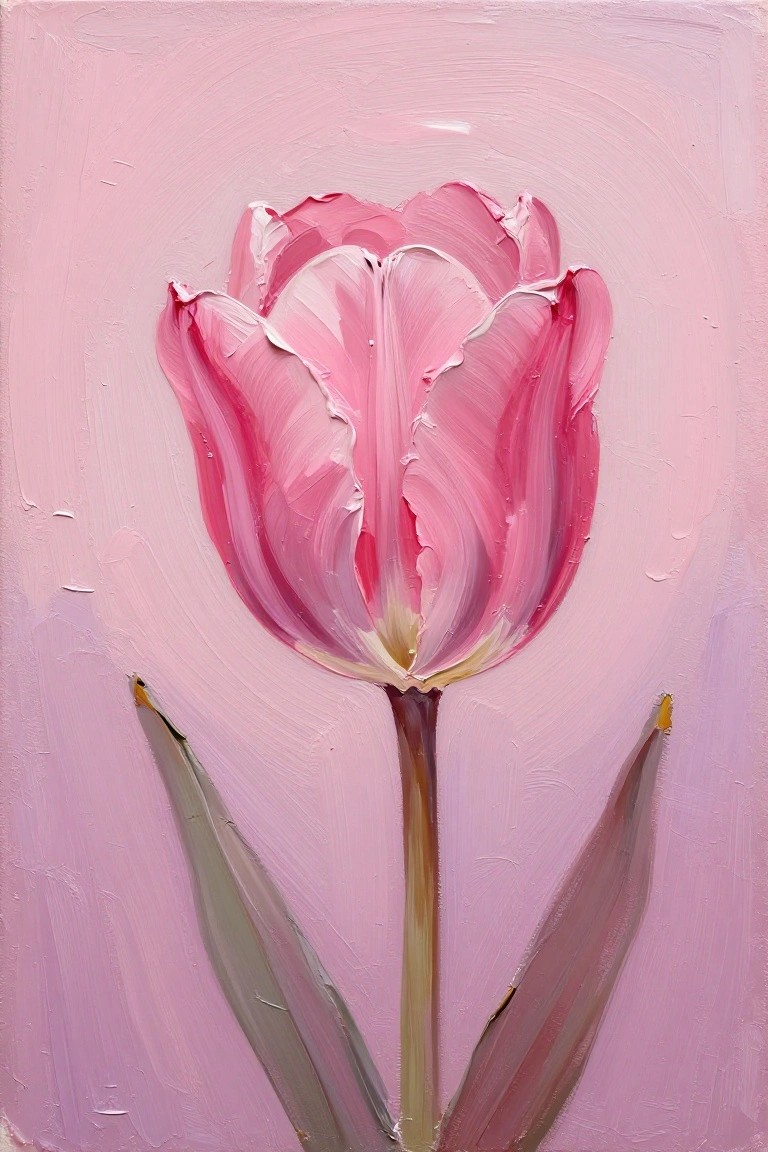
A single tulip works well as a standalone floral acrylic idea because the subject stays simple while still giving room to play with color shifts and brush direction. The petals show built-up layers of pink with lighter edges that catch the light, and the muted pink background keeps everything centered without extra elements to manage. Two angled leaves at the base add just enough structure to balance the tall stem.
What makes this idea useful is how the limited palette and clear center focus make it easy to finish in one or two sessions. You could change the pink range to any color family or stretch the stem lower on a taller canvas if you want more negative space. For practice, this kind of subject lets you work on smooth blends and edge control without juggling multiple objects.
Lemon Cluster Still Life
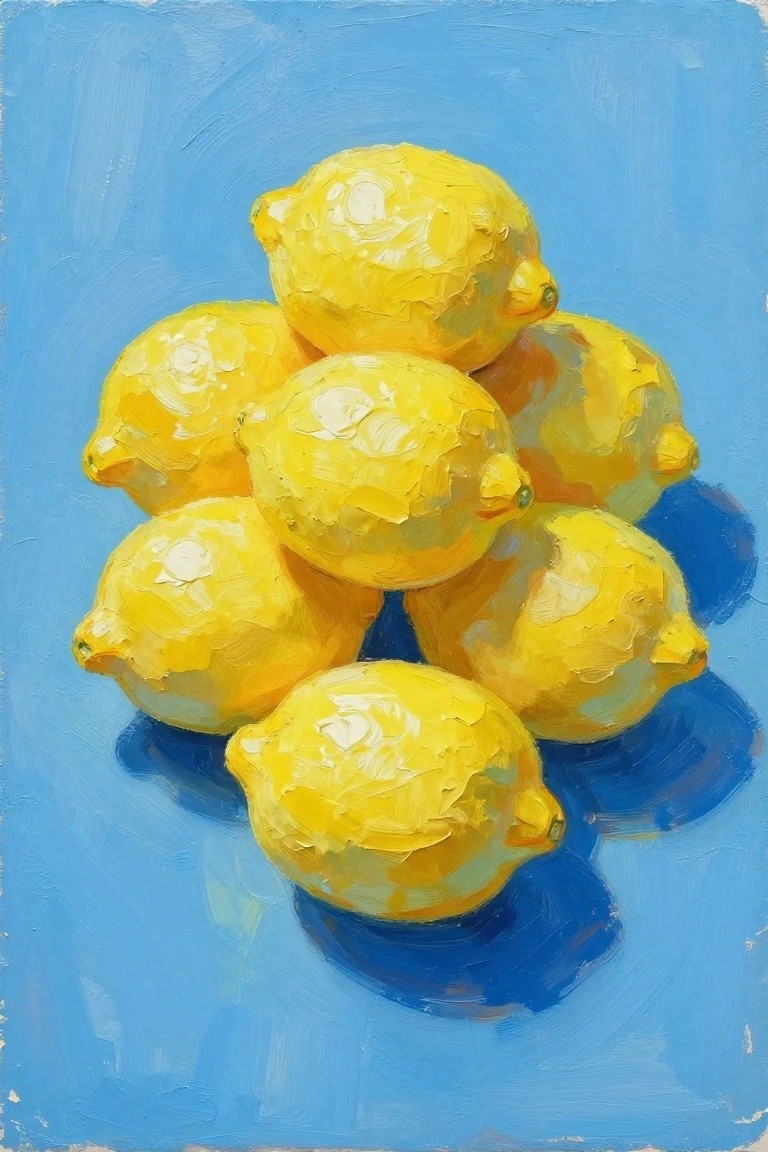
A still life idea like this centers on painting a loose pile of lemons with strong yellow tones against a flat blue background. The overlapping round shapes create depth through simple placement rather than detailed perspective, and the visible brushstrokes give the fruit form without requiring fine blending. This approach fits the still life category where color contrast and basic shapes carry the composition.
The bold contrast does a lot of the work here so you can focus on blocking in shapes and adding quick highlights. You could adapt the idea by using fewer lemons or switching the background to another strong color that matches a room. For practice this kind of subject works well because the limited palette keeps decisions simple while still producing a finished canvas piece that stands out on Pinterest.
Create a Textured Crescent Moon on a Deep Blue Background
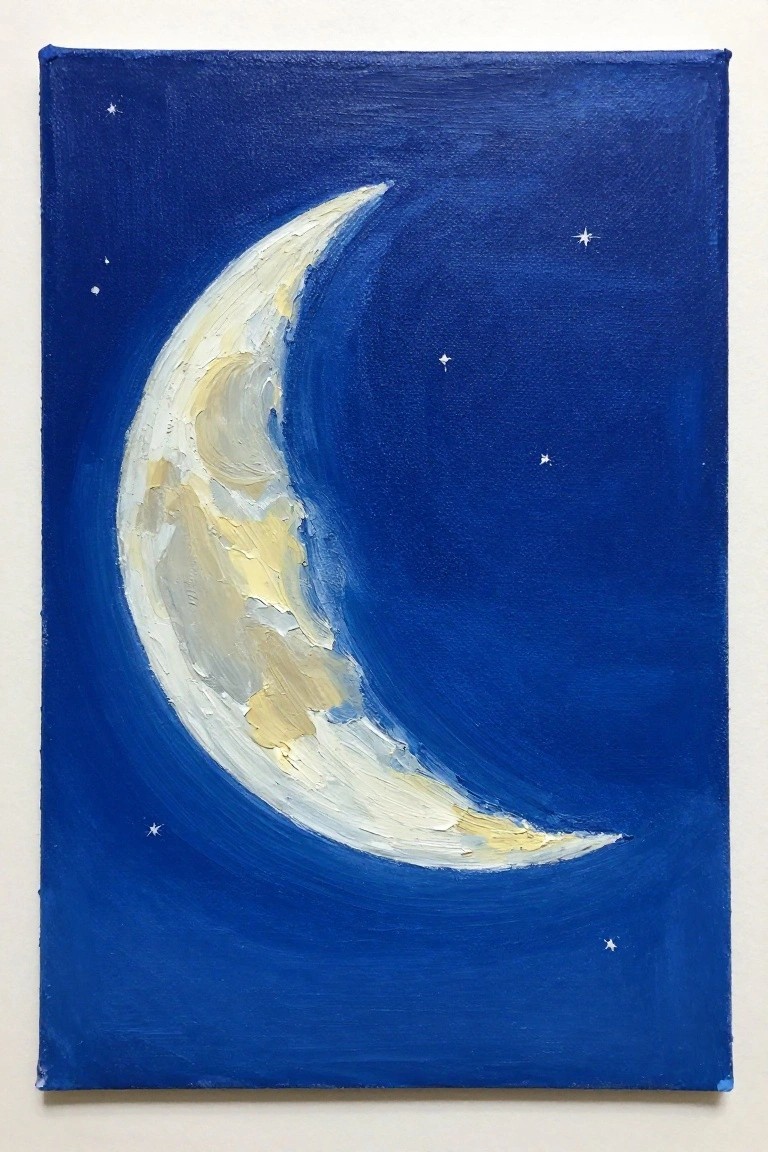
A large crescent moon painted with thick layers of white, yellow, and gray acrylic makes up the main subject here. The idea centers on building texture through visible brushstrokes while keeping the background a solid dark blue with just a few small white stars for balance. This approach fits the textured wall art category and relies on strong contrast between the light moon and dark sky to hold attention.
The bold contrast does a lot of the work here. The simple layout works especially well for canvas decor because the moon shape remains clear even if the brushwork stays loose. You could adapt the idea by swapping the blue for a different night sky shade or adding a few more stars in varying sizes. For practice, this kind of subject lets you focus on layering paint without needing fine detail.
Simple Sunset Landscape with Bold Color Blocks
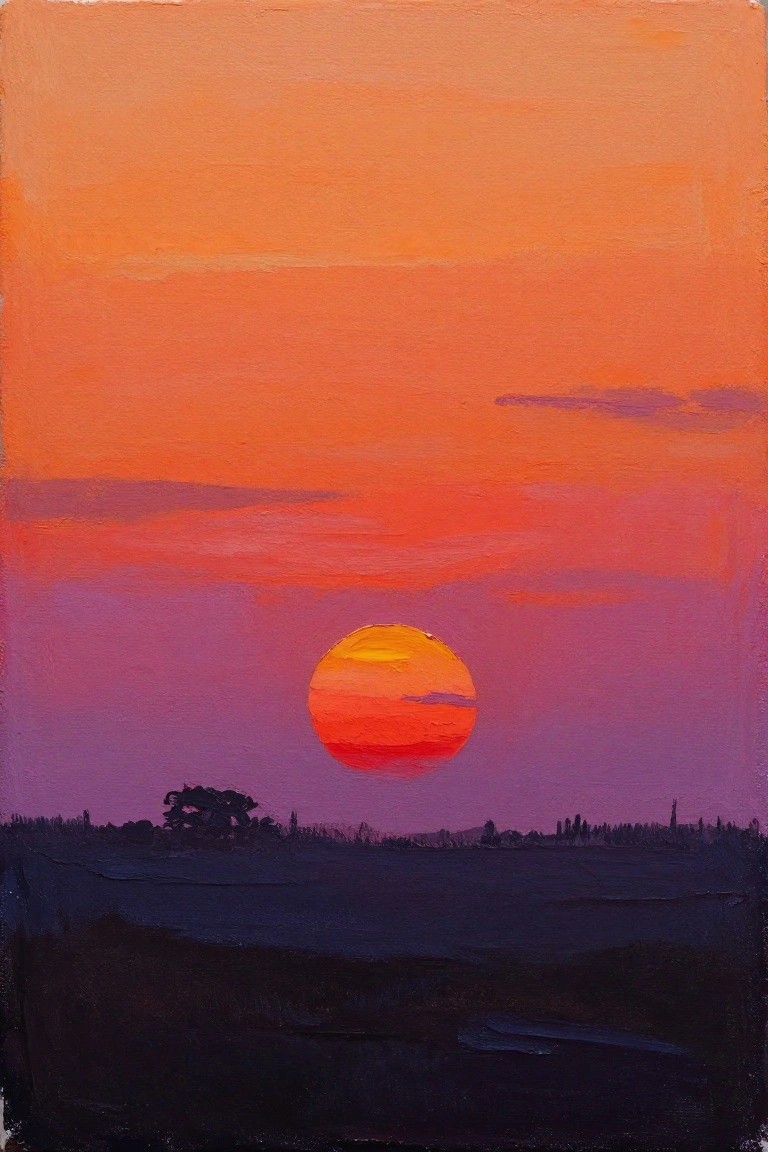
A sunset landscape built around a large central sun works well as an acrylic idea because it uses broad sky gradients and a dark foreground to establish depth quickly. The composition stays effective through strong value contrast and minimal horizon detail rather than intricate brushwork or texture. This fits the landscape category and keeps the focus on color placement and shape rather than fine rendering.
What makes this idea useful is how the limited foreground detail lets you practice smooth sky blending and sun placement without needing advanced techniques. The color palette can be swapped for cooler tones or different seasons while keeping the same layout. For practice, this kind of subject works especially well on a standard canvas since the main shapes stay easy to adjust or enlarge.
Glass Mug Tea Still Life
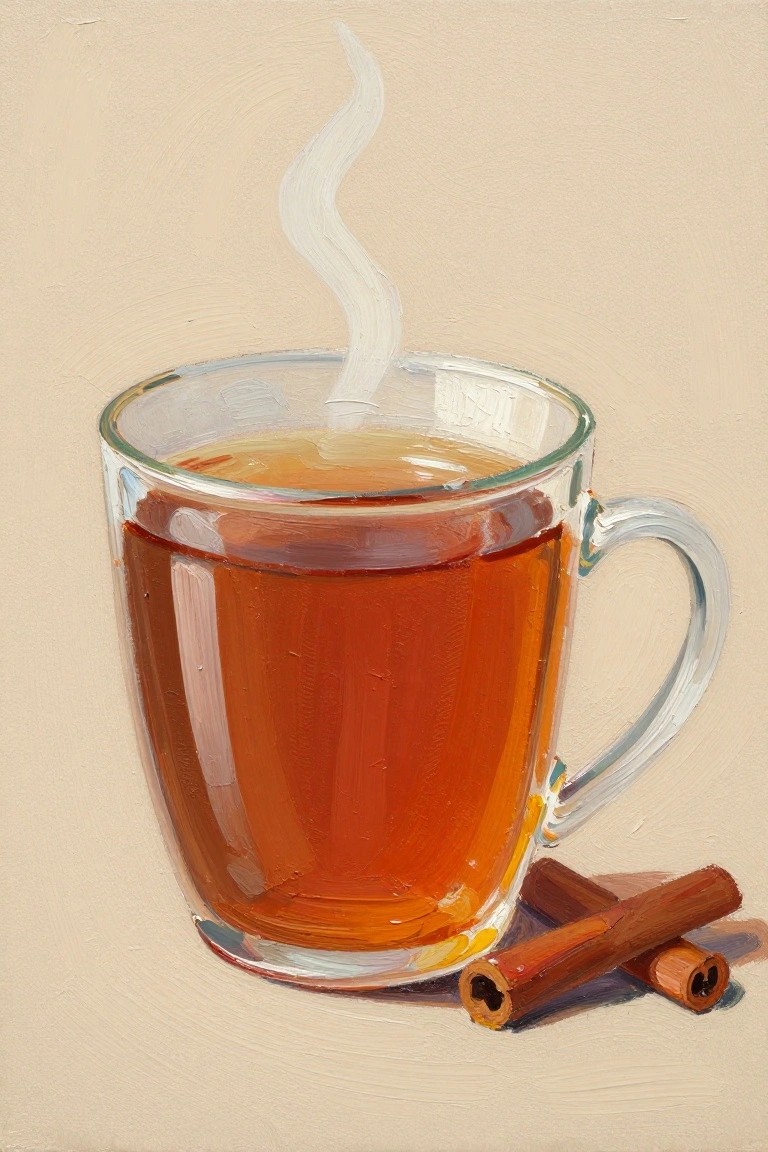
A still life built around a clear glass mug of tea and a couple of cinnamon sticks gives beginners a compact subject that focuses on everyday objects. The idea works by placing the mug slightly off center with the sticks angled at the base to create balance while the rising steam adds a soft vertical line. This setup fits the still life category and keeps the composition effective through limited elements, a plain background, and clear shapes that let color and edge work stand out.
What makes this idea useful is the simple layout that lets you practice painting transparency and liquid color without needing many supplies. You can change the drink shade or swap the sticks for another small item to make the scene your own. For canvas practice, this kind of still life stays approachable because the plain background removes extra decisions and keeps the focus on the main forms. The result also translates well to small panels or quick studies that hold up on Pinterest.
Painting a Sitting Fox with Wildflowers
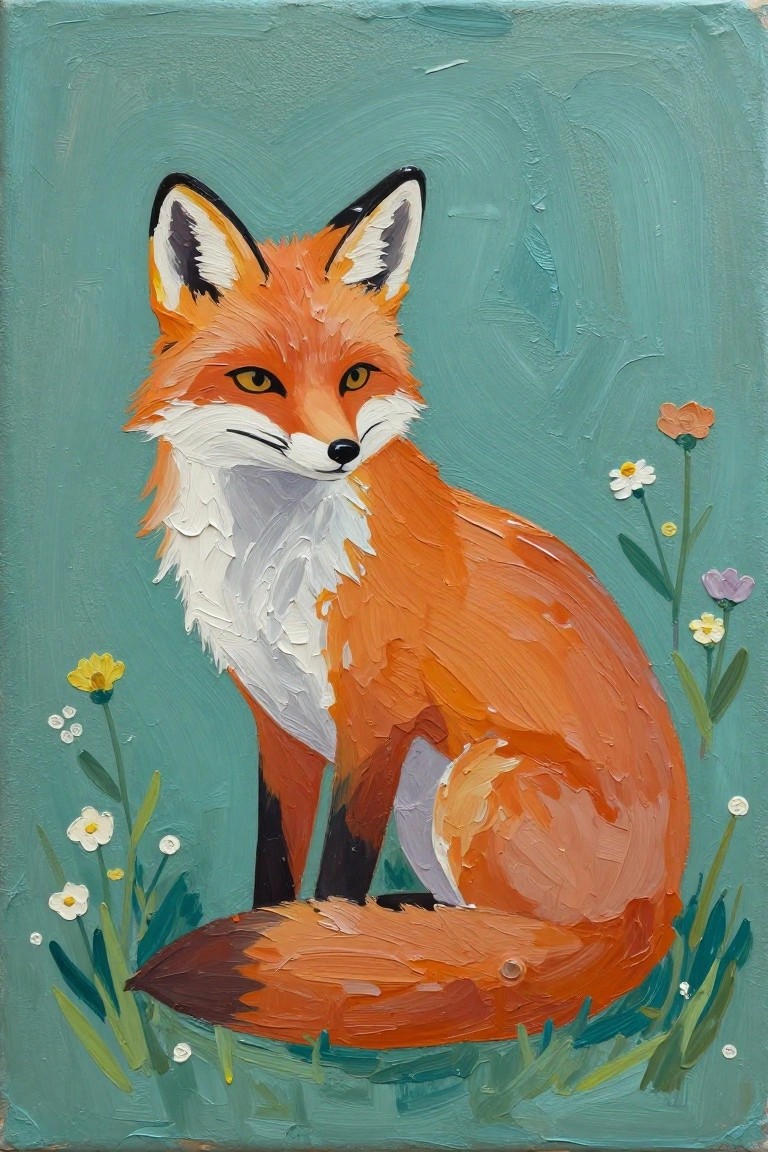
A fox portrait works well as an acrylic idea because the bright orange fur creates strong contrast against a flat teal background. The layout uses a simple seated pose with just a few flowers added on the sides to balance the composition without crowding it. This approach falls into the animal painting category and relies on clear shapes and blocked color rather than fine detail.
What makes this idea useful is how the limited background keeps the focus on the fox itself so beginners can practice fur texture and body shape without extra elements. You can swap the flower colors to match your palette or reduce them to a couple of stems if you want fewer shapes to handle. For canvas decor this kind of subject stands out on Pinterest because the bold orange and teal combination reads clearly even in a small thumbnail. The same layout can be scaled down for a smaller canvas or repeated with different animal subjects using the same background treatment.
Snowy Pine Tree Landscape
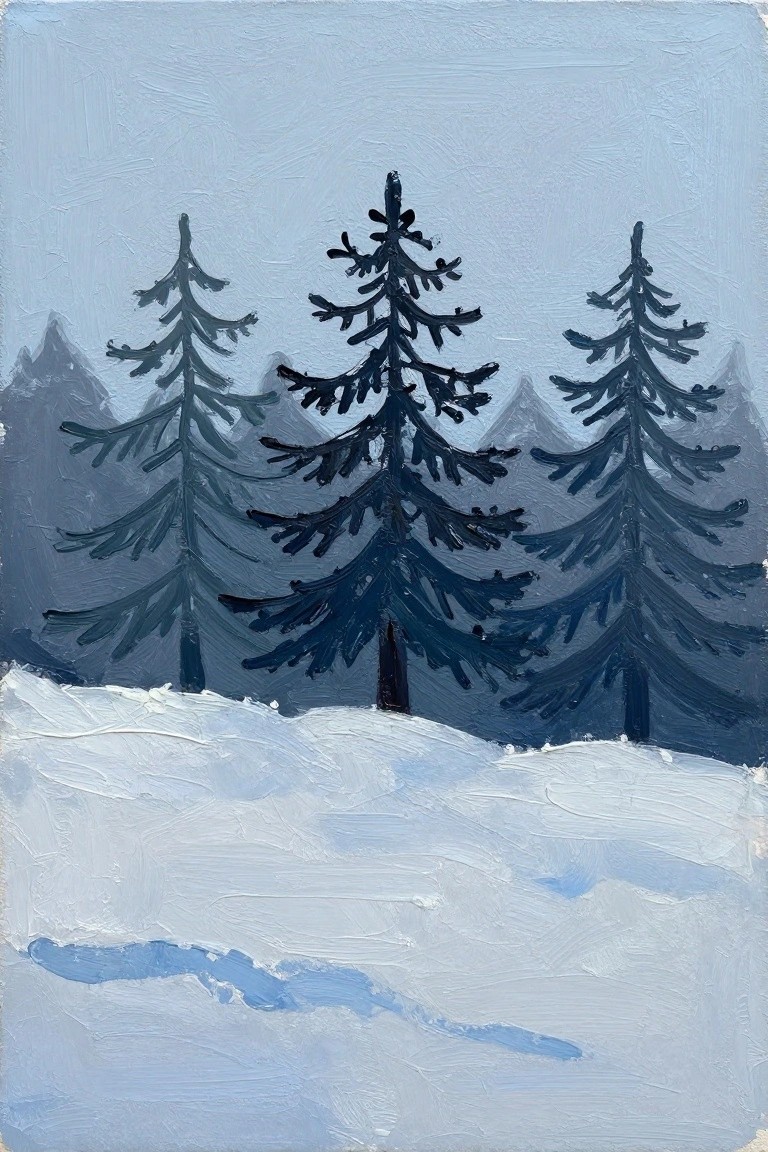
A winter landscape built around silhouetted pine trees offers a clean acrylic painting idea that relies on simple shapes and strong contrast. The dark evergreens stand out against the pale sky and snow, creating an effective composition through basic layering of cool tones rather than intricate details. This approach falls into seasonal landscape painting and keeps the focus on bold color blocking with minimal background elements.
What makes this idea useful is how the limited blue-and-white palette reduces decision-making while still delivering a finished look on canvas. You could adapt it by changing the tree count or softening the mountain edges for a different feel. For practice, this kind of subject works well because the flat shapes let you build confidence with edge control and quick layering before moving on to more complex scenes.
Bold Overlapping Flower Cluster
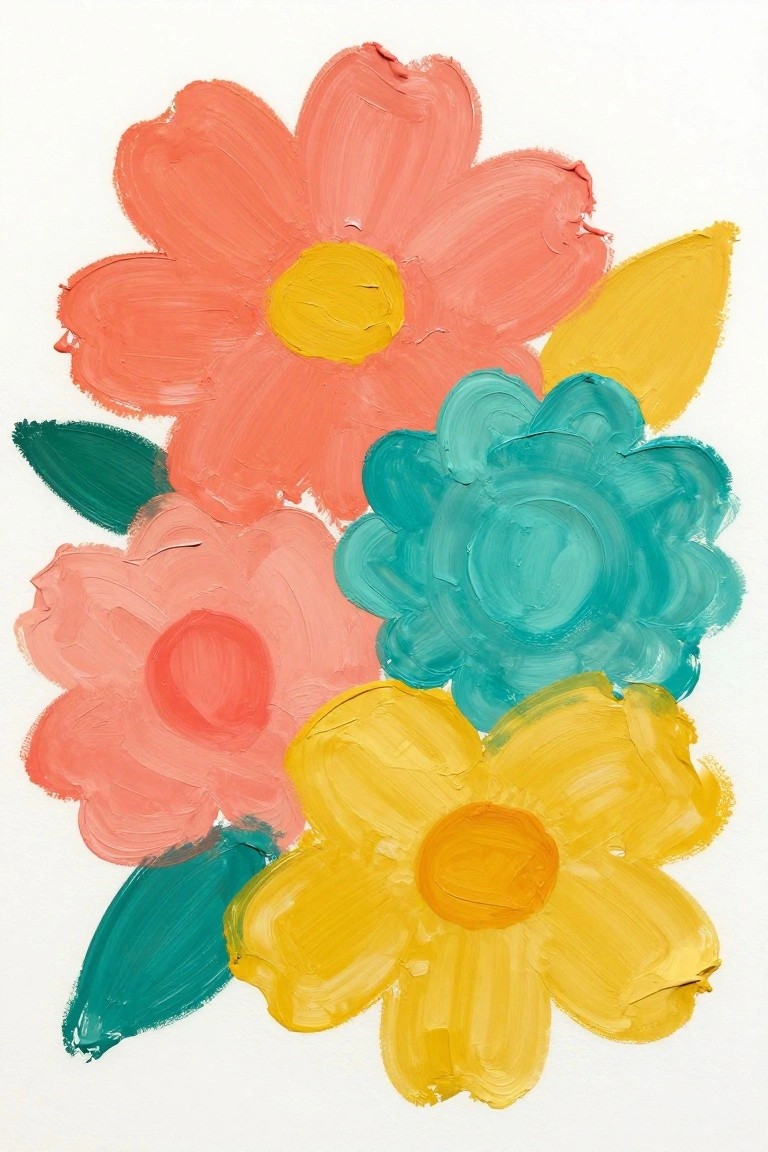
A floral acrylic painting idea built around a tight cluster of three blooms works well when the flowers overlap slightly and sit against a plain white background. Large petal shapes in coral, teal, pink, and yellow keep the focus on color and placement rather than tiny details. The solid centers and minimal leaves add structure without complicating the layout.
What makes this idea useful is how the simple overlapping arrangement lets beginners block in shapes first and adjust colors afterward. The bold palette stands out on a white ground, so the same layout can be reused with different color combinations for seasonal pieces or quick canvas decor. For practice, this kind of subject works especially well because the large forms hide small mistakes and still look finished.
Vibrant Sunset Reflection on Water
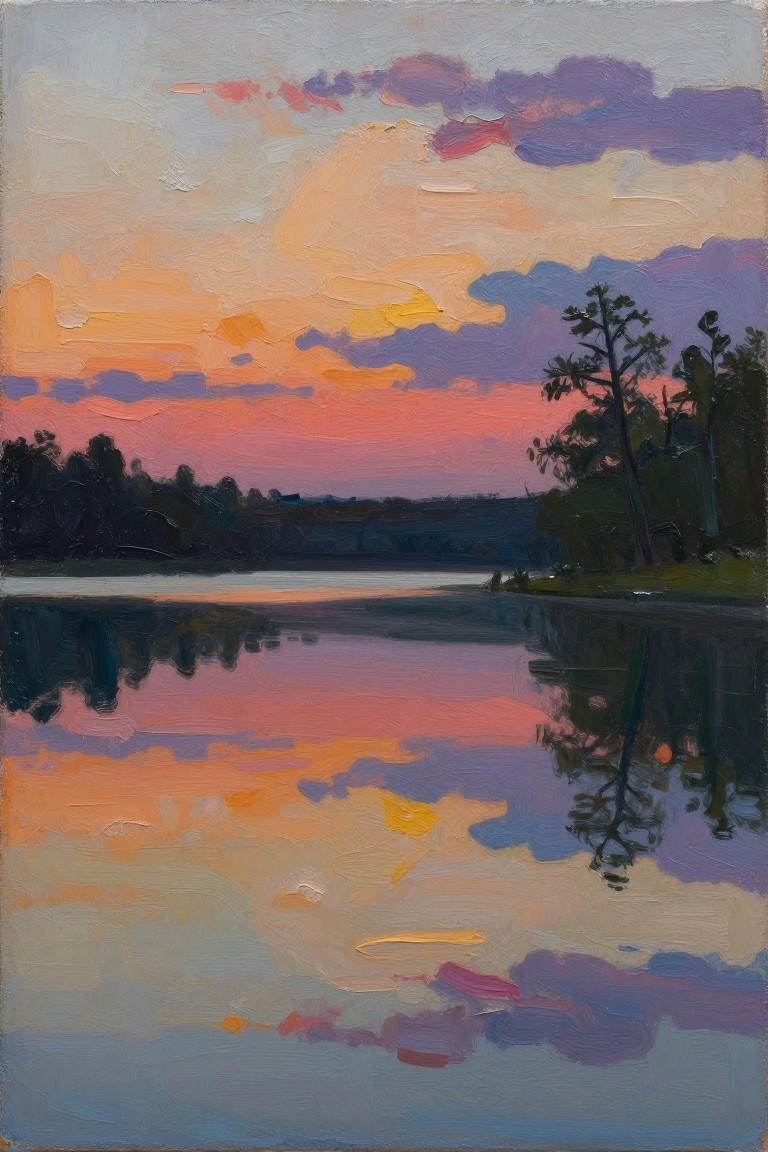
A sunset landscape with reflections in still water works as a straightforward acrylic idea because it centers on broad color blocks in the sky and their mirrored versions below. The composition relies on bold oranges, pinks, and purples against simple dark tree shapes on both sides to create balance without needing intricate details. This approach fits the landscape category and keeps the focus on color placement and horizontal layering.
What makes this idea useful is how the same layout can be adapted by shifting the sky colors to cooler tones or adding a few extra cloud shapes. The reflections do most of the visual work once the top half is blocked in, so beginners can practice blending without overworking small areas. For practice pieces this subject translates quickly to different canvas sizes and stands out in a feed because the bright water band draws the eye immediately.
Bold Rainbow Arch with Thick Color Bands
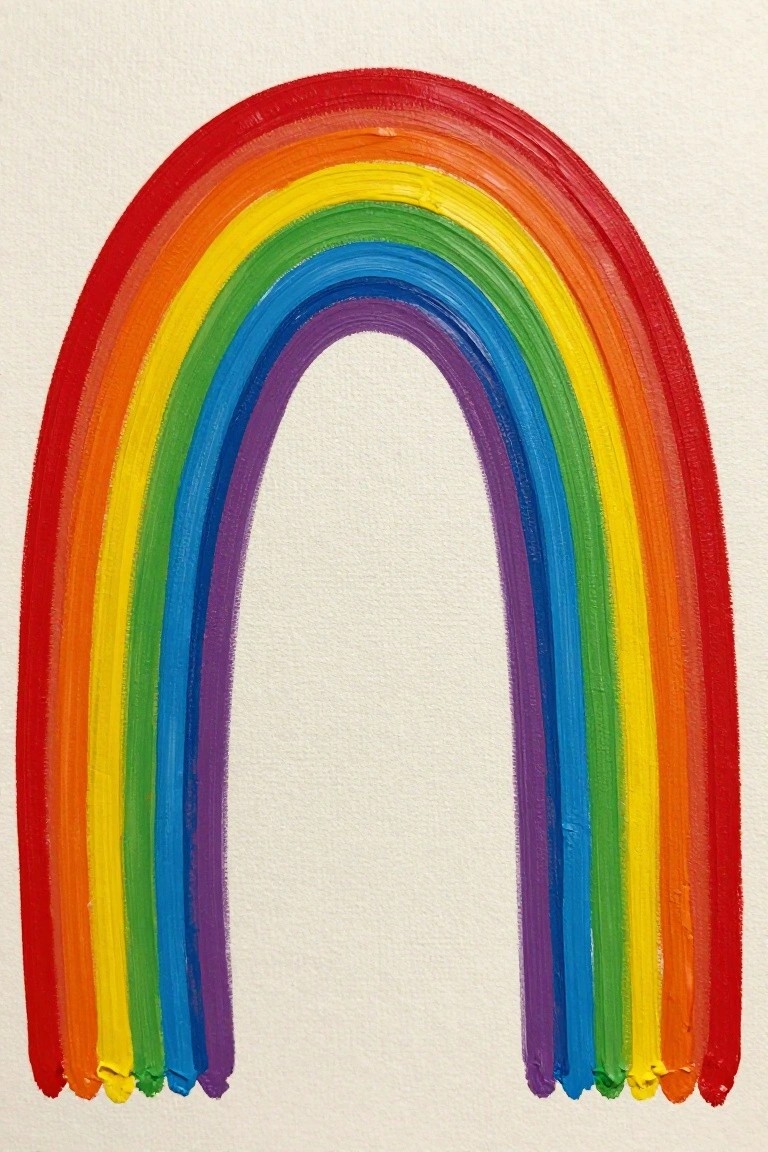
A rainbow formed from wide curved stripes of red, orange, yellow, green, blue, and purple makes a simple yet graphic acrylic painting idea. The concept uses a single arched shape filled with sequential bright colors against an unpainted background. This approach falls into the decorative category because the strong color blocks and clean curves create visual impact with very little added detail.
What makes this idea useful is how the wide stripes reduce the need for precise drawing or blending skills. You can adapt it by swapping in different color sequences or painting multiple arches side by side for a custom look. For practice, this kind of subject helps build confidence with loading the brush and keeping edges consistent across a curve. The bright palette also makes the finished piece easy to spot when shared online.
Bold Tropical Leaf with Gold Accents
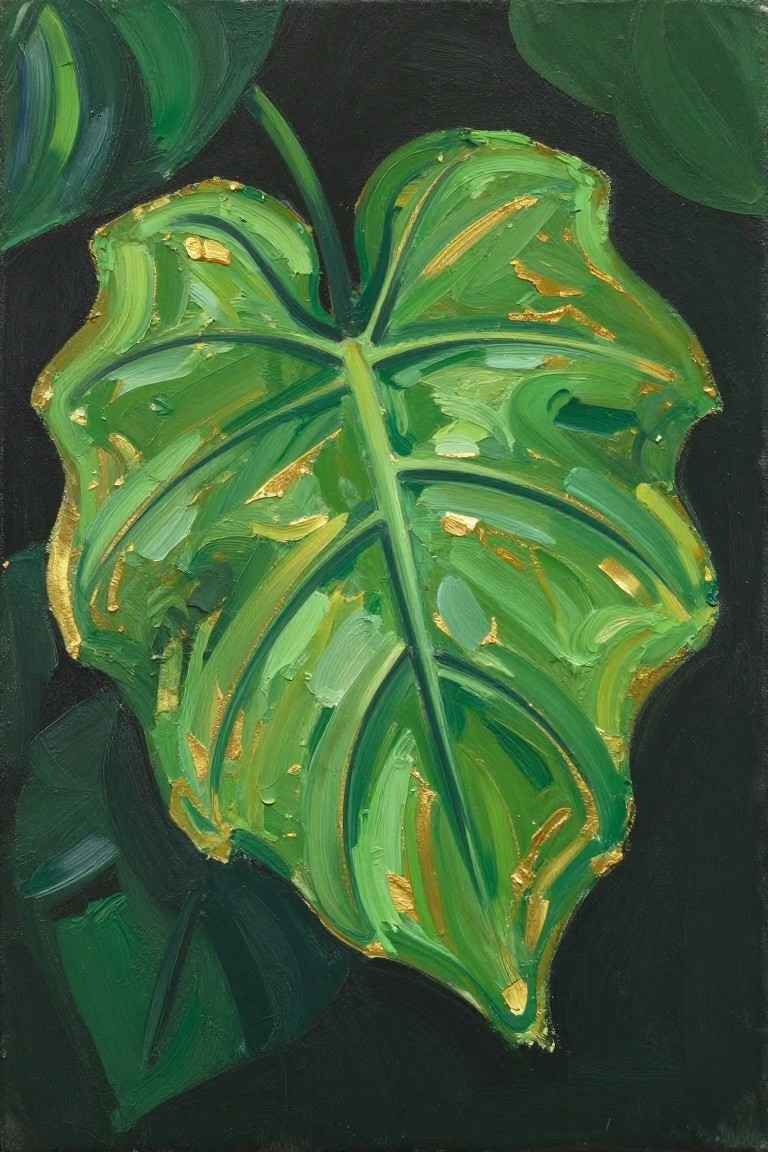
A large single leaf painted in layers of bright green against a solid dark background creates a simple yet striking botanical subject. The idea centers on using broad brushstrokes to shape the lobes and veins while adding thin gold marks along the edges for extra contrast. This approach fits the decorative wall art category because the leaf fills most of the canvas and relies on color and shape rather than fine detail.
What makes this idea useful is how the dark background handles the negative space so you can focus on building the leaf form with just a few colors. The layout works well for practice because the subject is recognizable even if your brushwork stays loose, and you can swap the gold for white or skip it entirely to simplify. For canvas decor or quick gifts, the same leaf shape can be repeated in different sizes or color combinations without changing the overall composition.
Rowboat on a Pond with Lily Pads
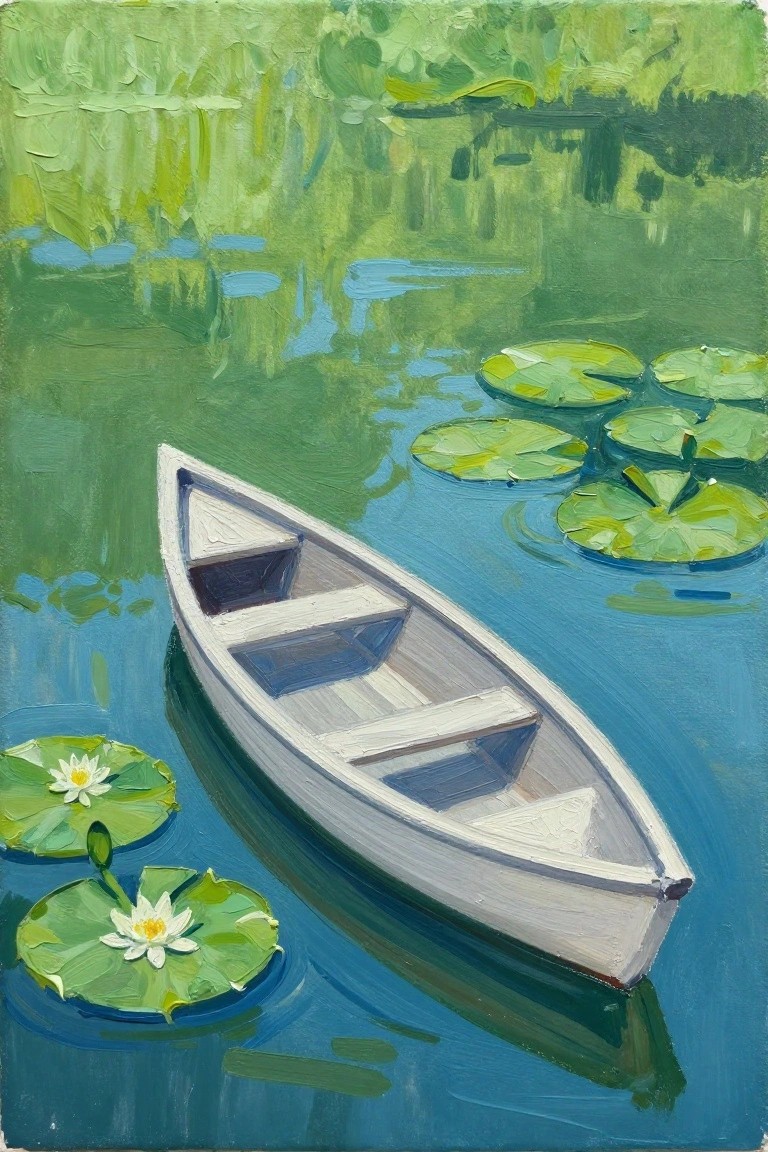
A rowboat floating among lily pads gives a clear landscape idea that centers on simple water and natural shapes. The light boat stands out against the blue water while the pads add round forms and a few white flowers for focal points. Reflections of greenery in the background help fill the space without extra detail or complicated layers.
What makes this idea useful is how the boat’s straight lines and the pads’ curves create easy shapes to paint first before adding water tones. The color contrast between the boat and the pond does most of the work, so you can keep brushwork loose on the reflections. This would be easy to turn into a vertical or square canvas by cropping tighter around the boat or stretching the water area. For practice, the same layout works well if you swap the boat color or reduce the number of pads to match the time you have.
Two Whales in Bold Ocean Waves
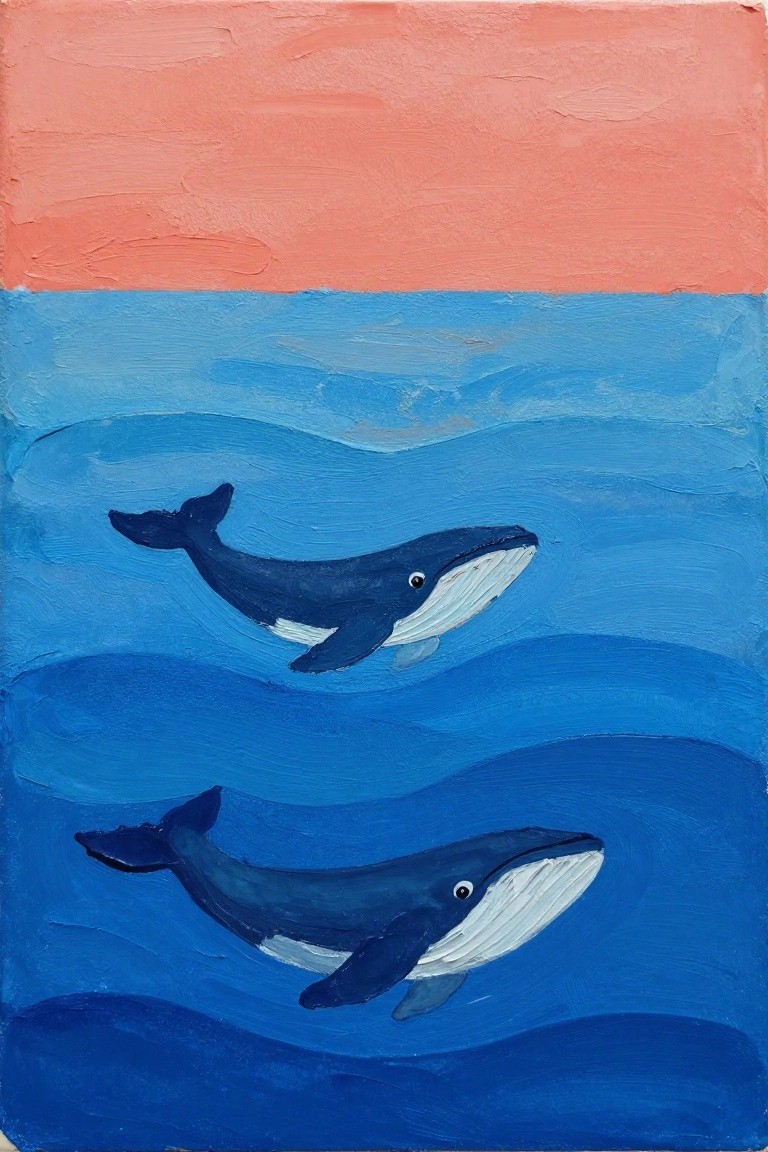
Painting two whales in layered blue water with a solid color sky gives you a clear animal subject that stays simple to build. The dark whale shapes gain definition from the white underbellies and the way the waves wrap around the bodies, while the flat sky band keeps the whole scene balanced. This layout works as both an animal study and a basic seascape without requiring small details.
What makes this idea useful is that the large, curved shapes let you focus on clean edges and color contrast rather than intricate work. You can swap the sky color for different moods or stretch the waves farther apart if you want a wider canvas. The horizontal bands also make the piece easy to adapt for wall art or gifts since the composition reads clearly from a distance.
Stacked Stones Still Life
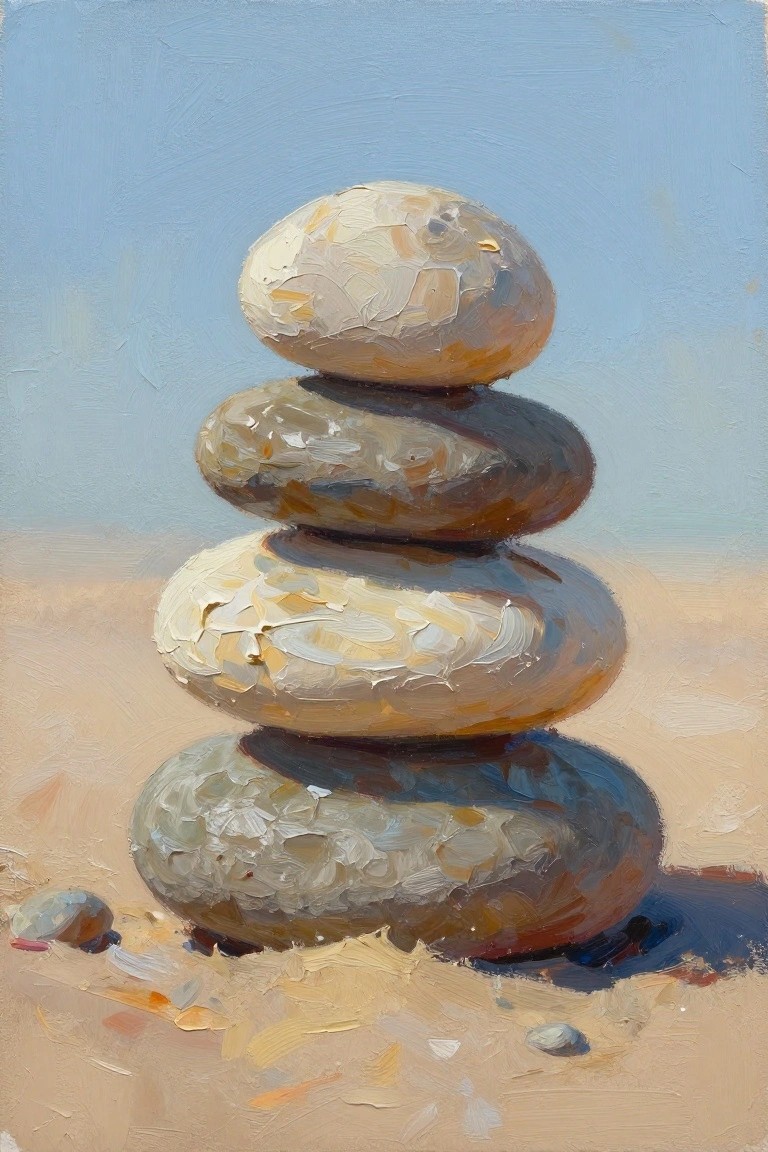
Painting a stack of rounded stones gives you a straightforward still life subject that focuses on simple shapes and subtle color shifts. The idea is to build a balanced tower of pebbles using visible brushstrokes to show light and shadow across each stone. This still life category works because the limited color range and plain background keep the attention on form and texture without extra elements.
What makes this idea useful is how easily you can change the number of stones or background color to fit your supplies. The rounded shapes let you practice blending and highlights without needing perfect edges. For practice, this kind of subject adapts well to smaller canvases or quick studies, and the natural tones help it stand out in a feed of brighter ideas.
Frequently Asked Questions
What supplies are essential for trying these acrylic painting ideas?
Start with a basic set of acrylic paints in primary colors plus black and white, a few synthetic brushes in different sizes, a palette for mixing, canvas boards or thick paper, and water for cleaning. These items keep costs low while allowing you to experiment with the 19 ideas right away. Many beginners find that using what they already have at home builds confidence faster than buying everything new.
How do I handle it if my painting does not turn out as expected?
Remember that every artist makes adjustments during the process. You can layer more paint over areas you dislike, turn unexpected marks into textures or new elements, or simply start a fresh canvas with the same idea. These projects focus on enjoyment over perfection, so view each attempt as practice that strengthens your skills and reduces self doubt over time.
Can beginners really complete these ideas in one session?
Yes, the suggestions are designed for short bursts of creativity, often 30 to 90 minutes each. Break larger concepts into simple steps like blocking in shapes first and adding details later if needed. This approach prevents overwhelm and gives you quick wins that steadily increase your belief in your own abilities.
How can I make these ideas more challenging as I improve?
Once a few projects feel comfortable, add personal touches such as experimenting with different color schemes, trying wet on wet blending, or combining two ideas into one piece. Gradually introduce new tools like palette knives for texture. This natural progression keeps the momentum going and turns initial confidence into lasting artistic growth.
Where can I find communities to share my work and get feedback?
Look for beginner friendly groups on social media platforms or local art centers that host casual painting meetups. Sharing your progress photos, even the early ones, often leads to encouraging responses that reinforce your efforts. Many artists report that positive community input accelerates confidence more than solo practice alone.